Some links on this site are affiliate links, which means I may earn a small commission if you make a purchase through them—at no extra cost to you. As an Amazon Associate I earn from qualifying purchases.

Author: Knobtwirler

  • 4ms WAV Recorder

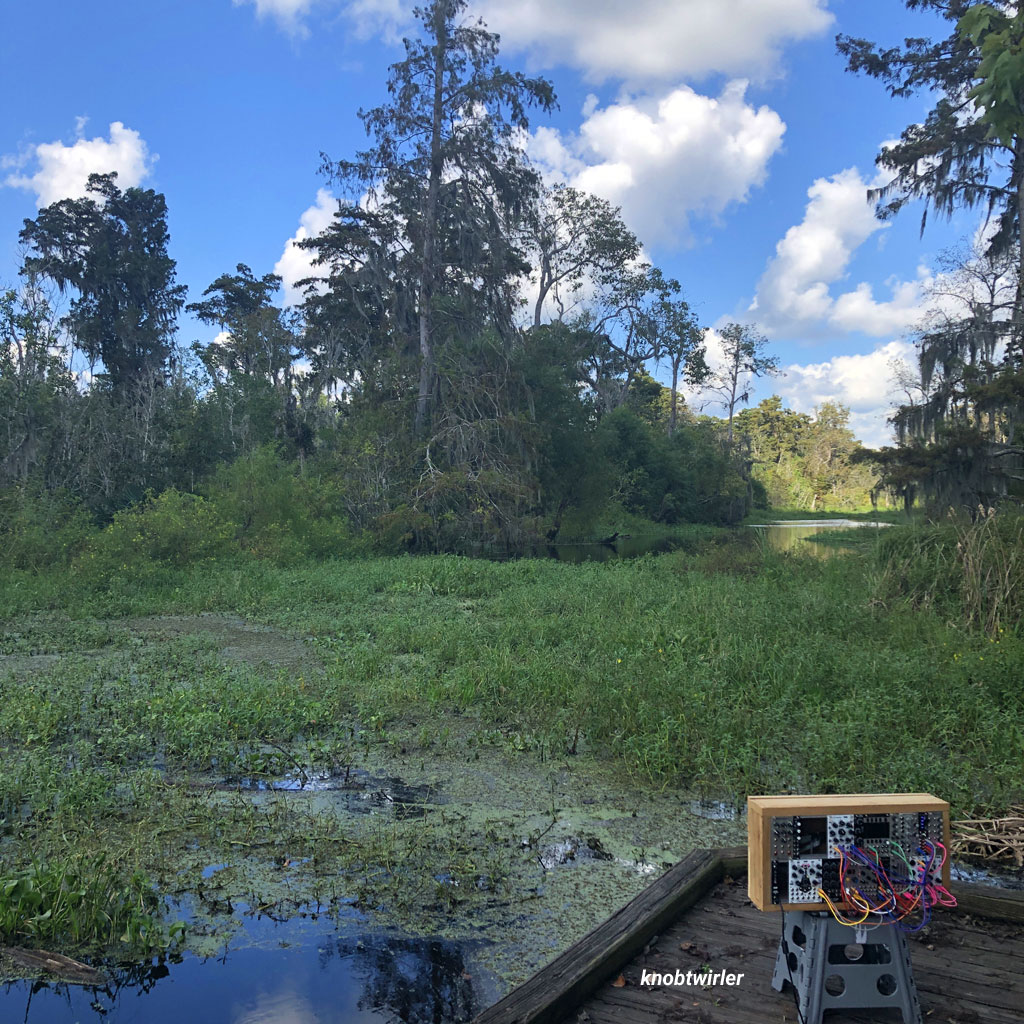
    Recording Ambient Modular Synth Performances Outdoors with the 4ms WAV Recorder

    There is something magical about taking a modular synthesizer into nature. The sound of birds, rustling leaves, flowing water, and distant wind blends beautifully with evolving Eurorack patches, creating immersive ambient music that feels alive. One of my favorite tools for preserving these moments is the 4ms WAV Recorder, a compact Eurorack module that makes capturing high-quality stereo recordings incredibly simple.

    Buy 4ms WAV Recorder on Amazon #ad

    Whether you’re creating meditation music, drone soundscapes, cinematic textures, or live modular performances, the 4ms WAV Recorder offers professional-quality recording directly inside your Eurorack system.

    Why Record Directly in Eurorack?

    Many modular performers connect their system to an external recorder or computer. While that works well in the studio, it adds extra cables, equipment, and setup time.

    The 4ms WAV Recorder keeps everything self-contained inside your Eurorack case. I especially appreciate this when taking my portable modular system outdoors. I can set up in a quiet park, forest trail, or beside a peaceful stream and focus entirely on making music instead of worrying about complicated recording gear.

    The result is a cleaner workflow that encourages creativity and spontaneity.

    High Fidelity Stereo Recording

    The 4ms WAV Recorder is designed for excellent audio quality.

    It records:

    • Stereo two-channel audio
    • Up to 96kHz / 24-bit
    • Lossless .wav files
    • Directly to a microSD card

    Because recordings are stored as uncompressed WAV files, every subtle texture of a modular patch is preserved. Delicate reverbs, shimmering delays, evolving oscillators, and slowly changing filters remain detailed and natural, making the recordings ideal for meditation albums, YouTube ambient videos, streaming services, or future mastering.

    Perfect for Live Ambient Performances

    One of the best parts of modular synthesis is that every performance is unique.

    Many ambient patches can never be recreated exactly the same way twice. Random voltages, slowly drifting oscillators, generative sequencers, and evolving modulation produce constantly changing soundscapes.

    The 4ms WAV Recorder makes it easy to capture those once-in-a-lifetime performances before they disappear forever.

    When inspiration strikes, I simply press record and let the patch evolve naturally.

    Taking Modular Music into Nature

    Some of my favorite recording sessions happen outdoors.

    I enjoy finding peaceful locations where the natural surroundings inspire slower, more organic performances. Early morning light, gentle breezes, and quiet landscapes all influence the music in subtle ways.

    My ambient modular performances are often created specifically for meditation, relaxation, mindfulness, and sleep. The evolving drones and atmospheric textures pair beautifully with the calming feeling of being surrounded by nature.

    Recording directly inside the Eurorack case allows me to stay immersed in the creative moment without needing a laptop or bulky recording setup.

    Flexible Input Levels

    Another feature I appreciate is the module’s ability to accept a wide range of signal levels.

    The WAV Recorder handles everything from:

    • Modular-level signals
    • Line-level audio
    • Stereo sources

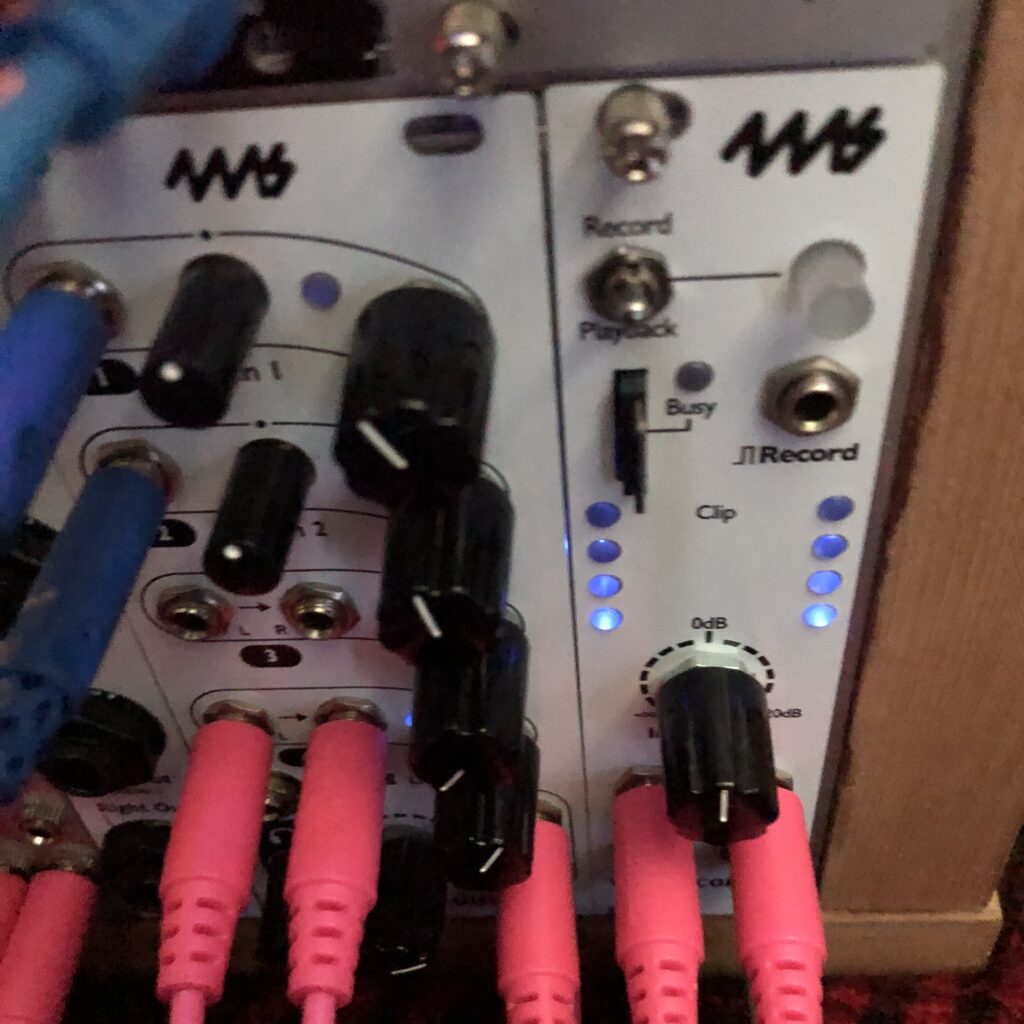
    The built-in Gain control offers up to +20 dB of boost when needed, while the LED signal meter provides a quick visual indication of recording levels and clipping. This makes it easy to achieve clean recordings even when experimenting with different modules and output levels.

    Trigger Recording and Playback

    The trigger input adds another layer of flexibility.

    It can be used to:

    • Record synchronized rhythmic loops
    • Trigger playback of the latest recording
    • Synchronize multiple WAV Recorder modules for multi-track recording

    This opens interesting possibilities for experimental performances, synchronized recording setups, and modular live shows.

    Easy Playback and File Navigation

    After recording, the module makes reviewing performances simple.

    A straightforward folder and file navigation system lets you browse WAV files stored on the microSD card for playback directly from the module.

    This is especially useful when traveling with a portable Eurorack setup, allowing you to review recordings without immediately transferring everything to a computer.

    A Great Choice for Meditation Music Creators

    If your goal is creating calming soundscapes, generative ambient music, or long-form meditation recordings, the 4ms WAV Recorder is an excellent companion.

    Because it captures pristine stereo audio directly from your modular system, it preserves every evolving texture exactly as it was performed. Later, those recordings can be edited, mastered, or combined with gentle environmental sounds to create relaxing listening experiences.

    For artists who enjoy making music outdoors, it removes many of the technical distractions and lets the focus remain on creativity.

    Final Thoughts

    The 4ms WAV Recorder is one of those Eurorack modules that quietly becomes indispensable. It delivers high-quality stereo recording, lossless WAV files up to 96kHz/24-bit, flexible input handling, trigger functionality, and convenient playback—all from within your modular system.

    For my own workflow, it has become the perfect way to capture live ambient modular performances while exploring the outdoors. Whether I’m recording slow evolving drones for meditation, atmospheric textures inspired by nature, or spontaneous generative patches, I know every performance is safely preserved in studio-quality audio.

    If you enjoy portable modular synthesis, field-inspired composition, or creating immersive meditation music, the 4ms WAV Recorder is an outstanding addition to any Eurorack system.
  • 4ms Row Power 45

    4ms Row Power 45 Review: Clean, Reliable Eurorack Power for Growing Modular Synth Systems

    Find Row Power 45 on Amazon #ad

    If you’re building a Eurorack modular synthesizer, one of the most important investments you can make is choosing a reliable power supply. Stable, clean power helps reduce unwanted noise, keeps sensitive modules performing properly, and gives you confidence as your system expands. The 4ms Row Power 45 has become a favorite among modular enthusiasts because it combines efficiency, expandability, and exceptionally clean power in a compact design.

    Whether you’re powering a small portable case or a larger multi-row Eurorack setup, the Row Power 45 offers an elegant solution that grows with your modular synthesizer.

    Why Good Eurorack Power Matters

    Every oscillator, filter, sequencer, effects processor, and utility module depends on clean and stable power. Poor-quality power supplies can introduce unwanted noise, voltage fluctuations, and reliability issues that become increasingly noticeable as your modular system grows.

    The 4ms Row Power 45 is designed specifically to avoid these problems by providing individually regulated power rails using high-quality electronic components.

    Key Features of the 4ms Row Power 45

    Plenty of Power for Most Eurorack Systems

    The Row Power 45 delivers more than enough power for three typical rows of Eurorack modules, making it an excellent choice for medium-sized modular systems. Whether you’re creating ambient soundscapes, techno rigs, experimental patches, or generative music, it provides dependable power for a wide variety of modules.

    Daisy-Chain Multiple Units

    One of the biggest advantages of the Row Power 45 is its expandability.

    It includes two power input/output jacks, allowing multiple Row Power units to be daisy-chained together. Instead of purchasing separate power bricks for every case or row, a single laptop-style power brick can often power three to five rows or multiple 4ms Pods, simplifying cable management while reducing clutter.

    This makes expanding your Eurorack system much easier as your collection of modules grows.

    Convenient On/Off Switch

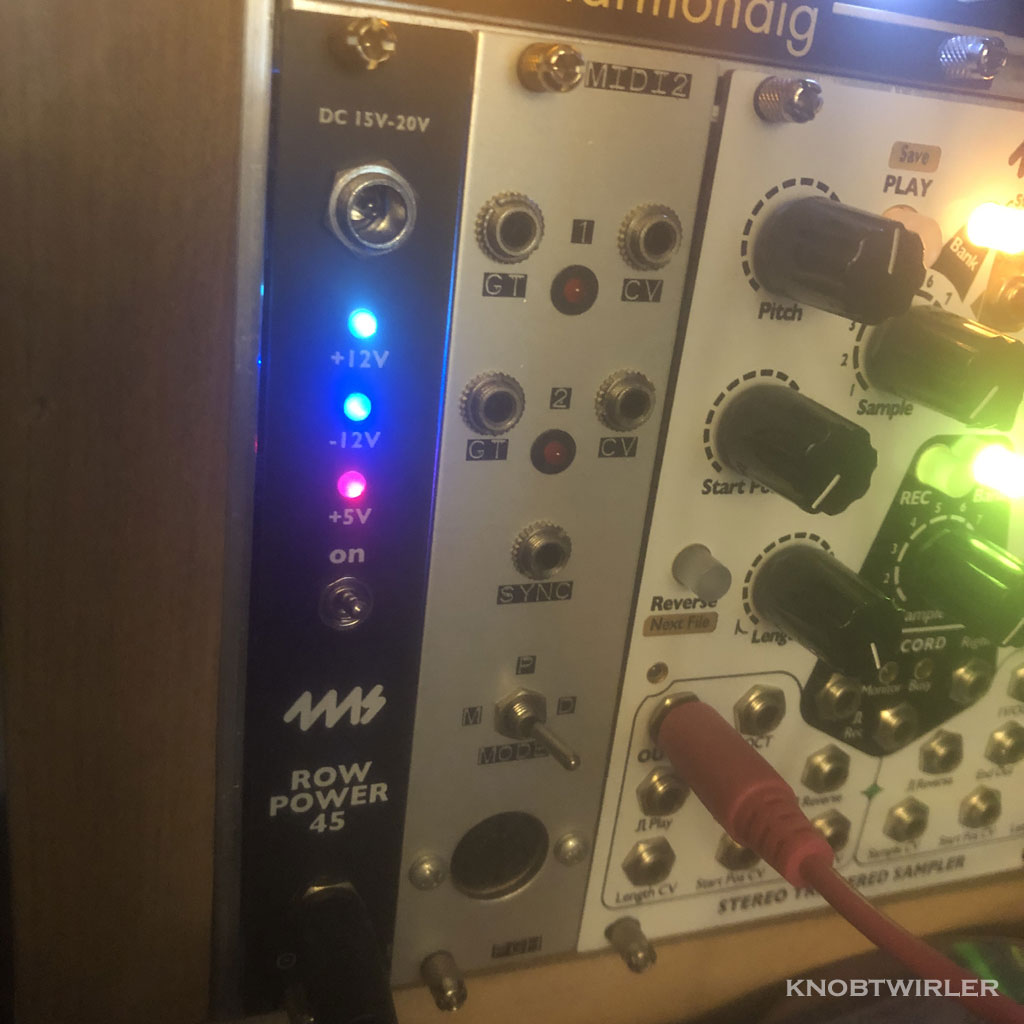
    Unlike many Eurorack power solutions, the Row Power 45 features an integrated power switch.

    The switch allows you to turn your modular system on or off without disconnecting your power brick, while still maintaining the daisy-chain connection to additional Row Power units. It’s a small feature that quickly becomes one you’ll appreciate during everyday use.

    Ultra Clean Regulated Power

    The Row Power 45 was engineered with audio performance in mind.

    Each voltage rail is separately regulated using premium-grade components, helping deliver exceptionally clean power throughout your modular system. This design minimizes electrical noise and contributes to quieter operation, allowing your oscillators, filters, effects, and digital modules to perform at their best.

    For musicians recording directly from their modular synthesizers, clean power is especially valuable.

    Efficient Operation That Runs Cool

    Power supplies naturally generate heat, but excessive heat can shorten component life and warm your Eurorack case.

    The Row Power 45 is highly efficient, meaning it operates cool even during extended patching sessions. Lower operating temperatures help improve long-term reliability while keeping your modular system comfortable during live performances or marathon studio sessions.

    Ideal for Portable Eurorack Cases

    If you enjoy performing live or building compact modular rigs, the Row Power 45 is an excellent match for portable Eurorack cases. Its efficient design helps maximize available power while minimizing heat, making it perfect for travel-friendly systems and desktop modular setups.

    The daisy-chain capability also makes it easy to expand from a small portable case into a larger studio configuration without replacing your existing power solution.

    Final Thoughts

    The 4ms Row Power 45 offers an outstanding balance of clean power, expandability, efficiency, and ease of use. Features like individually regulated rails, cool operation, integrated power switching, and simple daisy-chaining make it one of the most practical Eurorack power supplies available.

    Whether you’re assembling your very first modular synthesizer or expanding into a larger multi-row system, the Row Power 45 provides the dependable foundation your Eurorack modules deserve. Reliable power may not be the most glamorous part of a modular synthesizer, but it’s one of the most important—and the 4ms Row Power 45 delivers exactly that.

    SEO Keywords

    • 4ms Row Power 45
    • Row Power 45 review
    • Eurorack power supply
    • Best Eurorack power module
    • Modular synth power supply
    • Eurorack case power
    • 4ms modular
    • Eurorack power distribution
    • Modular synthesizer power
    • Eurorack DIY power solution
    • Clean Eurorack power
    • Expandable Eurorack power supply

    Buy Row Power 45 on Amazon #ad

  • Using Field Recordings in Ambient Electronic Music

    Turning Birds, Ducks, and Rain Into Ambient Music

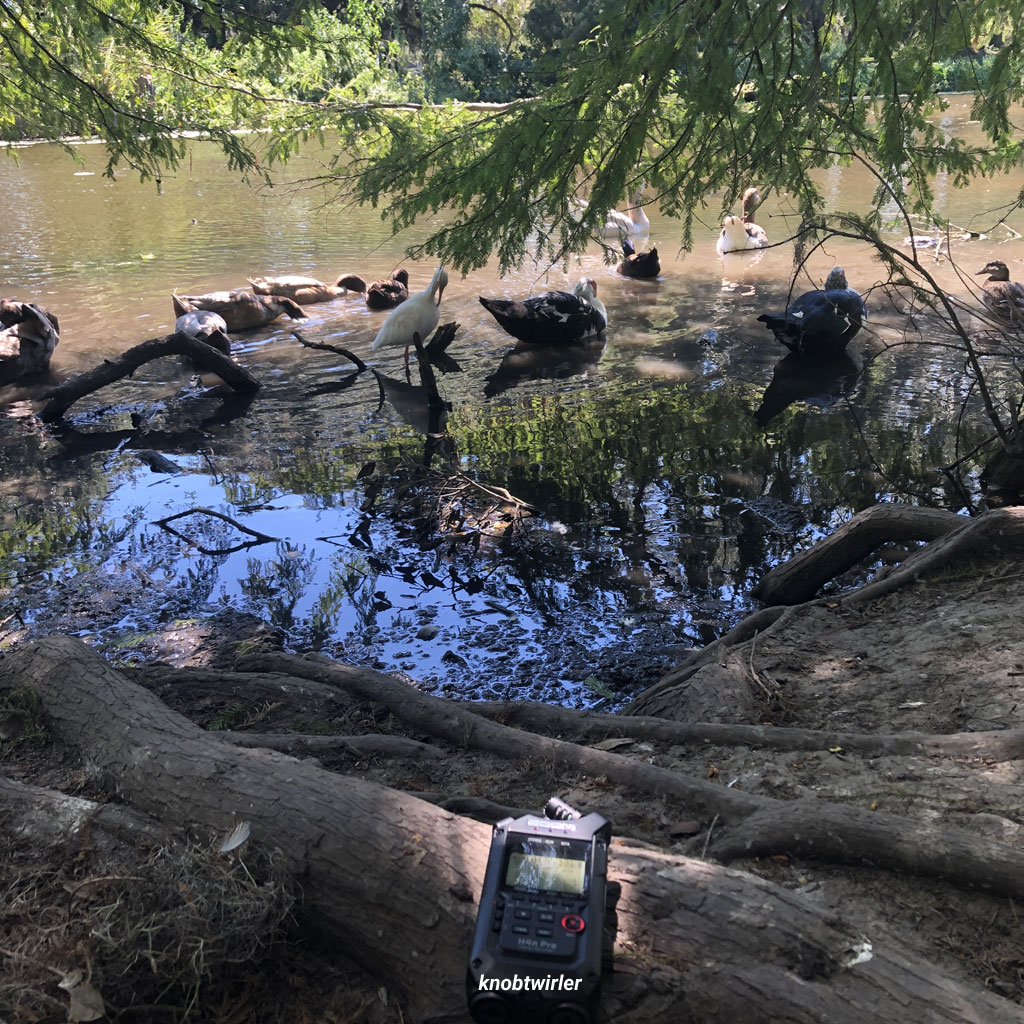
    One of my favorite parts of creating ambient electronic music is leaving the studio behind and taking my field recorder out into nature. Some of my most inspiring recording sessions happen in places where most people would simply stop to enjoy the scenery. While others are watching ducks glide across a pond or listening to birds sing from the trees, I’m often standing quietly with microphones, capturing every sound I can.

    On this particular outing, I spent the afternoon recording ducks paddling through the water, birds calling from nearby branches, insects buzzing in the distance, and the gentle movement of wind through the reeds. These natural sounds contain an incredible amount of texture and rhythm that is impossible to recreate with traditional instruments. Every location has its own unique sonic fingerprint, and no two recording sessions are ever the same.

    When I return home, the real magic begins. I take these field recordings and feed them into my generative modular synthesizer system. Rather than composing every note manually, I allow the modular synth to interact with the recordings in unpredictable ways. Bird calls may become shimmering melodic fragments. The splash of water might be transformed into evolving textures. Even the subtle rustling of leaves can become part of a slowly shifting drone.

    What fascinates me most is the conversation that develops between the natural world and electronic sound. The synthesizer adds layers of harmony, movement, and atmosphere, while the wildlife recordings keep the music grounded in reality. The result is neither purely nature recording nor purely electronic music. Instead, it becomes a hybrid soundscape that feels alive, organic, and constantly evolving.

    Many listeners describe these pieces as meditation music, sound bath experiences, or sonic journeys. I think that comes from the combination of familiar natural sounds and the dreamlike qualities of generative synthesis. Nature already possesses a kind of music of its own, and my goal is not to replace it but to collaborate with it.

    These recordings eventually become videos for my YouTube channel, where viewers can experience the same environments that inspired the music. Whether it’s ducks floating across a pond, rain falling on leaves, or birds greeting the morning sun, each video captures a moment in time and transforms it into an immersive ambient experience.

    For me, field recording is more than simply gathering audio samples. It’s a reason to slow down, observe the world more carefully, and appreciate the hidden symphonies happening all around us. Every bird call, ripple of water, and gust of wind becomes another instrument in an ever-growing collection of sounds waiting to be woven into new ambient soundscapes.

  • Creating Ambient Electronic Music from Rain, Wind, and the Natural World

    One of my favorite ways to create ambient electronic music is to take my recording equipment outdoors and capture the sounds that already exist in nature. While many people imagine electronic music being created entirely inside a studio, some of the most beautiful textures come directly from the world around us. Rainfall on leaves, distant thunder, birdsong at sunrise, rustling trees, flowing water, and even the subtle hum of insects can become part of a musical composition.

    Whenever the weather cooperates, I bring microphones outside to record environmental soundscapes. Rain is especially inspiring because it naturally creates layers of rhythm and texture. A gentle drizzle produces soft, soothing frequencies, while a heavy storm introduces complex patterns and dramatic energy. Each recording is unique because nature never repeats itself exactly the same way twice.

    Back in the studio, these field recordings become the foundation of my music. Rather than treating them as background noise, I view them as instruments. A recording of rain may become a shimmering atmospheric layer. Wind moving through trees can transform into a haunting drone. Water droplets can be stretched, filtered, and blended into evolving textures that feel both familiar and otherworldly.

    I combine these organic recordings with generative ambient music techniques. Generative music uses systems that allow melodies, harmonies, and textures to slowly evolve over time rather than following a fixed song structure. The result is music that feels alive and constantly changing, much like nature itself. No two listening experiences are exactly alike, creating a sense of discovery and immersion.

    The goal of this process is not simply to create a song but to build a sonic environment. Many listeners describe these compositions as sound baths for the mind. The gentle movement of ambient synthesizers mixed with authentic nature recordings can encourage relaxation, meditation, creative focus, and stress relief. Instead of demanding attention, the music creates space for reflection and calm.

    There is also something deeply meaningful about preserving moments in nature through sound. A particular rainstorm, a quiet evening breeze, or the sounds of a forest after sunrise become permanent memories captured in audio form. When those recordings are woven into music, they carry the emotional atmosphere of that moment into every future listening session.

    For me, ambient electronic music is a collaboration between technology and the natural world. The microphones capture nature’s voice, the synthesizers provide an evolving musical landscape, and together they create immersive soundscapes designed to help listeners slow down, breathe deeply, and reconnect with a sense of peace. In a world filled with constant noise and distraction, these natural ambient compositions offer a small sanctuary of stillness.

  • A Brief History of Ambient Music

    Ambient music is one of the most influential and enduring genres in electronic music history. Known for its atmospheric textures, slow evolution, and immersive soundscapes, ambient music focuses less on traditional song structures and more on creating moods, environments, and emotional experiences. Today, it can be heard everywhere from meditation playlists and film soundtracks to video games and experimental electronic productions.

    The Early Origins

    The roots of ambient music can be traced back to the mid-20th century. Experimental composers began exploring ways to create music that emphasized texture and atmosphere rather than melody and rhythm. Innovations in tape manipulation, synthesizers, and electronic sound generation allowed artists to experiment with entirely new sonic possibilities.

    French composer Erik Satie is often cited as an early influence. In the early 1900s, he developed the concept of “furniture music”—music intended to blend into the background rather than demand attention. While not ambient music in the modern sense, his ideas would later inspire future generations of composers.

    Brian Eno and the Birth of Ambient

    The term “ambient music” became widely recognized in the 1970s thanks to Brian Eno. After experimenting with tape loops, synthesizers, and minimalist compositions, Eno released the landmark album Ambient 1: Music for Airports in 1978.

    Eno described ambient music as music that could be “as ignorable as it is interesting.” Rather than commanding the listener’s full attention, ambient music was designed to create a surrounding atmosphere that could be experienced actively or passively. This philosophy became the foundation of the genre and remains influential today.

    The Expansion of the Genre

    Throughout the 1980s and 1990s, ambient music expanded in many directions. Artists began combining ambient textures with new age music, experimental electronics, industrial sounds, and emerging dance music styles. Advances in synthesizer technology made it easier for musicians to create lush soundscapes and evolving sonic environments.

    Artists such as Harold Budd, Steve Roach, and Aphex Twin helped broaden the genre’s reach. Subgenres including dark ambient, space ambient, drone, and ambient techno emerged, each bringing its own unique approach to atmosphere and sonic exploration.

    Ambient Music in Modern Electronic Culture

    Today, ambient music plays an important role in electronic music culture. It serves as a creative foundation for countless genres, influencing techno, trance, downtempo, cinematic music, and even modern pop production. Streaming platforms have introduced ambient music to millions of listeners seeking relaxation, focus, sleep assistance, and mindfulness.

    Modern producers continue to push the genre forward by combining traditional ambient techniques with digital tools, modular synthesizers, field recordings, and artificial intelligence. The result is a constantly evolving genre that remains both innovative and deeply personal.

    Why Ambient Music Endures

    The enduring appeal of ambient music lies in its ability to create emotional space. Unlike many genres that focus on hooks, vocals, or dance rhythms, ambient music invites listeners to slow down and immerse themselves in sound itself. Whether experienced through headphones during a late-night walk or filling a room as background atmosphere, ambient music offers a unique form of sonic storytelling.

    More than four decades after Brian Eno helped define the genre, ambient music continues to inspire musicians and listeners alike. Its influence can be heard throughout modern electronic music, proving that sometimes the most powerful sounds are the ones that gently surround us rather than demand our attention.