Some links on this site are affiliate links, which means I may earn a small commission if you make a purchase through them—at no extra cost to you. As an Amazon Associate I earn from qualifying purchases.

Category: Synthesizers

  • Creating Ambient Electronic Music from Rain, Wind, and the Natural World

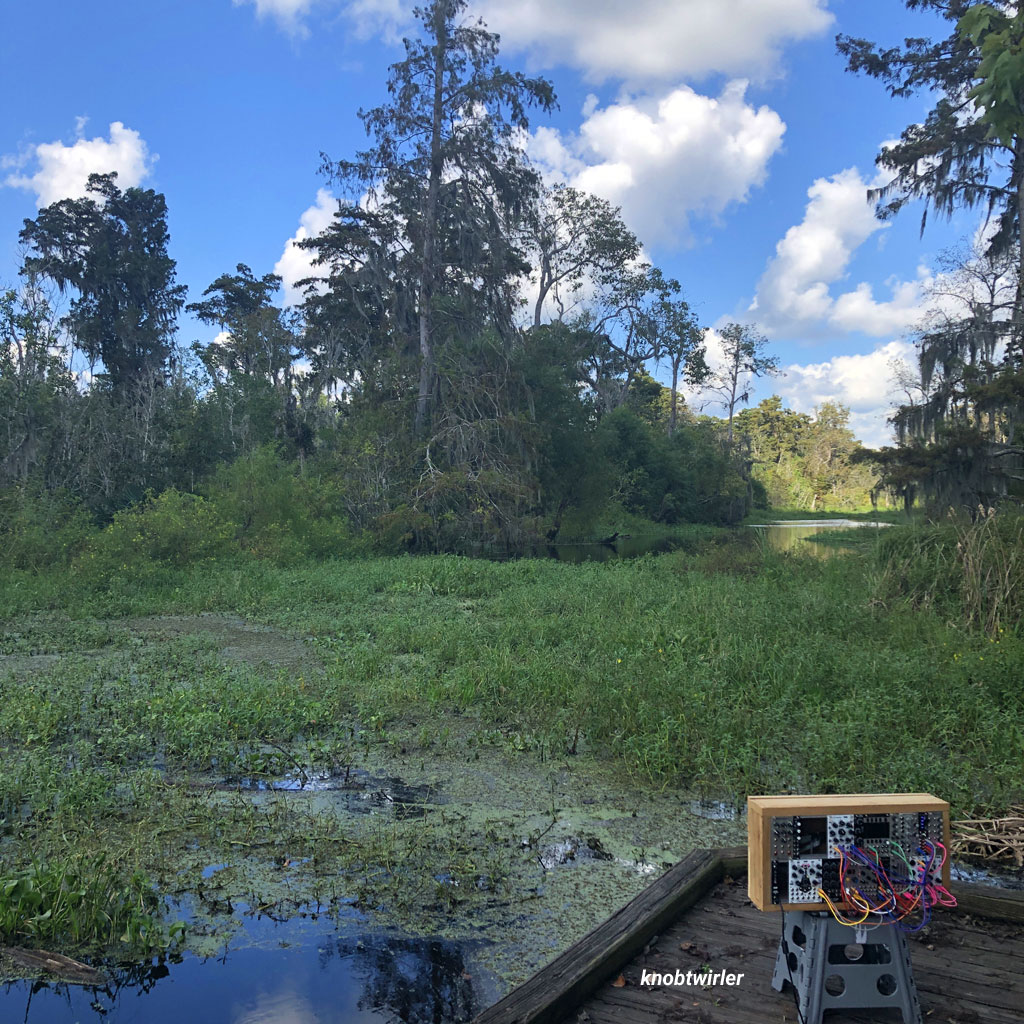
    One of my favorite ways to create ambient electronic music is to take my recording equipment outdoors and capture the sounds that already exist in nature. While many people imagine electronic music being created entirely inside a studio, some of the most beautiful textures come directly from the world around us. Rainfall on leaves, distant thunder, birdsong at sunrise, rustling trees, flowing water, and even the subtle hum of insects can become part of a musical composition.

    Whenever the weather cooperates, I bring microphones outside to record environmental soundscapes. Rain is especially inspiring because it naturally creates layers of rhythm and texture. A gentle drizzle produces soft, soothing frequencies, while a heavy storm introduces complex patterns and dramatic energy. Each recording is unique because nature never repeats itself exactly the same way twice.

    Back in the studio, these field recordings become the foundation of my music. Rather than treating them as background noise, I view them as instruments. A recording of rain may become a shimmering atmospheric layer. Wind moving through trees can transform into a haunting drone. Water droplets can be stretched, filtered, and blended into evolving textures that feel both familiar and otherworldly.

    I combine these organic recordings with generative ambient music techniques. Generative music uses systems that allow melodies, harmonies, and textures to slowly evolve over time rather than following a fixed song structure. The result is music that feels alive and constantly changing, much like nature itself. No two listening experiences are exactly alike, creating a sense of discovery and immersion.

    The goal of this process is not simply to create a song but to build a sonic environment. Many listeners describe these compositions as sound baths for the mind. The gentle movement of ambient synthesizers mixed with authentic nature recordings can encourage relaxation, meditation, creative focus, and stress relief. Instead of demanding attention, the music creates space for reflection and calm.

    There is also something deeply meaningful about preserving moments in nature through sound. A particular rainstorm, a quiet evening breeze, or the sounds of a forest after sunrise become permanent memories captured in audio form. When those recordings are woven into music, they carry the emotional atmosphere of that moment into every future listening session.

    For me, ambient electronic music is a collaboration between technology and the natural world. The microphones capture nature’s voice, the synthesizers provide an evolving musical landscape, and together they create immersive soundscapes designed to help listeners slow down, breathe deeply, and reconnect with a sense of peace. In a world filled with constant noise and distraction, these natural ambient compositions offer a small sanctuary of stillness.

  • A Brief History of Ambient Music

    Ambient music is one of the most influential and enduring genres in electronic music history. Known for its atmospheric textures, slow evolution, and immersive soundscapes, ambient music focuses less on traditional song structures and more on creating moods, environments, and emotional experiences. Today, it can be heard everywhere from meditation playlists and film soundtracks to video games and experimental electronic productions.

    The Early Origins

    The roots of ambient music can be traced back to the mid-20th century. Experimental composers began exploring ways to create music that emphasized texture and atmosphere rather than melody and rhythm. Innovations in tape manipulation, synthesizers, and electronic sound generation allowed artists to experiment with entirely new sonic possibilities.

    French composer Erik Satie is often cited as an early influence. In the early 1900s, he developed the concept of “furniture music”—music intended to blend into the background rather than demand attention. While not ambient music in the modern sense, his ideas would later inspire future generations of composers.

    Brian Eno and the Birth of Ambient

    The term “ambient music” became widely recognized in the 1970s thanks to Brian Eno. After experimenting with tape loops, synthesizers, and minimalist compositions, Eno released the landmark album Ambient 1: Music for Airports in 1978.

    Eno described ambient music as music that could be “as ignorable as it is interesting.” Rather than commanding the listener’s full attention, ambient music was designed to create a surrounding atmosphere that could be experienced actively or passively. This philosophy became the foundation of the genre and remains influential today.

    The Expansion of the Genre

    Throughout the 1980s and 1990s, ambient music expanded in many directions. Artists began combining ambient textures with new age music, experimental electronics, industrial sounds, and emerging dance music styles. Advances in synthesizer technology made it easier for musicians to create lush soundscapes and evolving sonic environments.

    Artists such as Harold Budd, Steve Roach, and Aphex Twin helped broaden the genre’s reach. Subgenres including dark ambient, space ambient, drone, and ambient techno emerged, each bringing its own unique approach to atmosphere and sonic exploration.

    Ambient Music in Modern Electronic Culture

    Today, ambient music plays an important role in electronic music culture. It serves as a creative foundation for countless genres, influencing techno, trance, downtempo, cinematic music, and even modern pop production. Streaming platforms have introduced ambient music to millions of listeners seeking relaxation, focus, sleep assistance, and mindfulness.

    Modern producers continue to push the genre forward by combining traditional ambient techniques with digital tools, modular synthesizers, field recordings, and artificial intelligence. The result is a constantly evolving genre that remains both innovative and deeply personal.

    Why Ambient Music Endures

    The enduring appeal of ambient music lies in its ability to create emotional space. Unlike many genres that focus on hooks, vocals, or dance rhythms, ambient music invites listeners to slow down and immerse themselves in sound itself. Whether experienced through headphones during a late-night walk or filling a room as background atmosphere, ambient music offers a unique form of sonic storytelling.

    More than four decades after Brian Eno helped define the genre, ambient music continues to inspire musicians and listeners alike. Its influence can be heard throughout modern electronic music, proving that sometimes the most powerful sounds are the ones that gently surround us rather than demand our attention.